
Low Water Pressure in House: Fixes for Chester County Homes
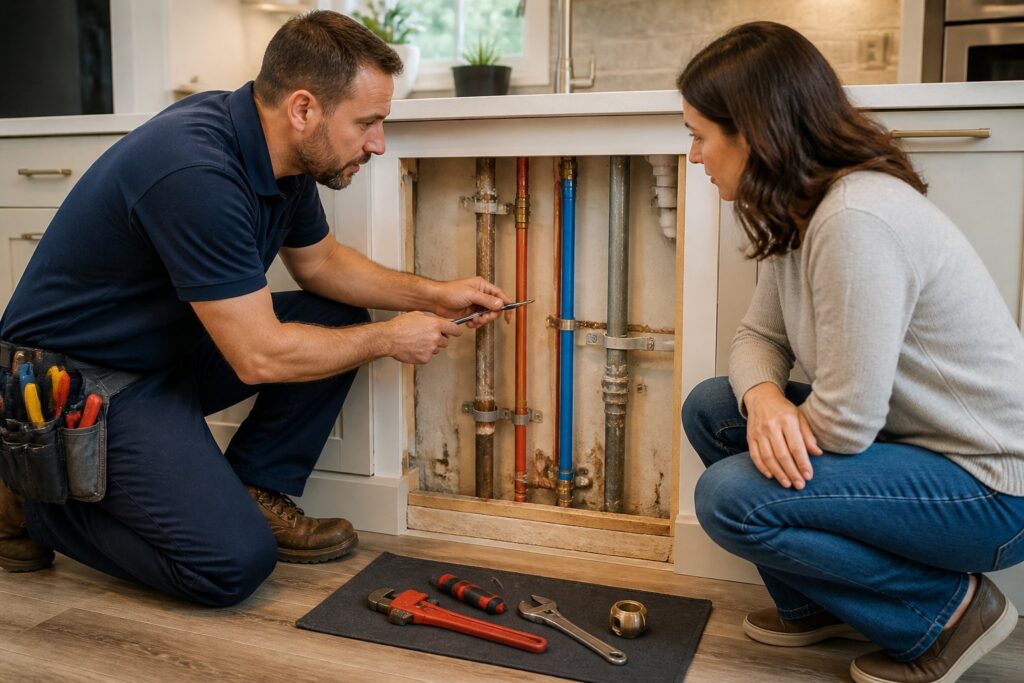
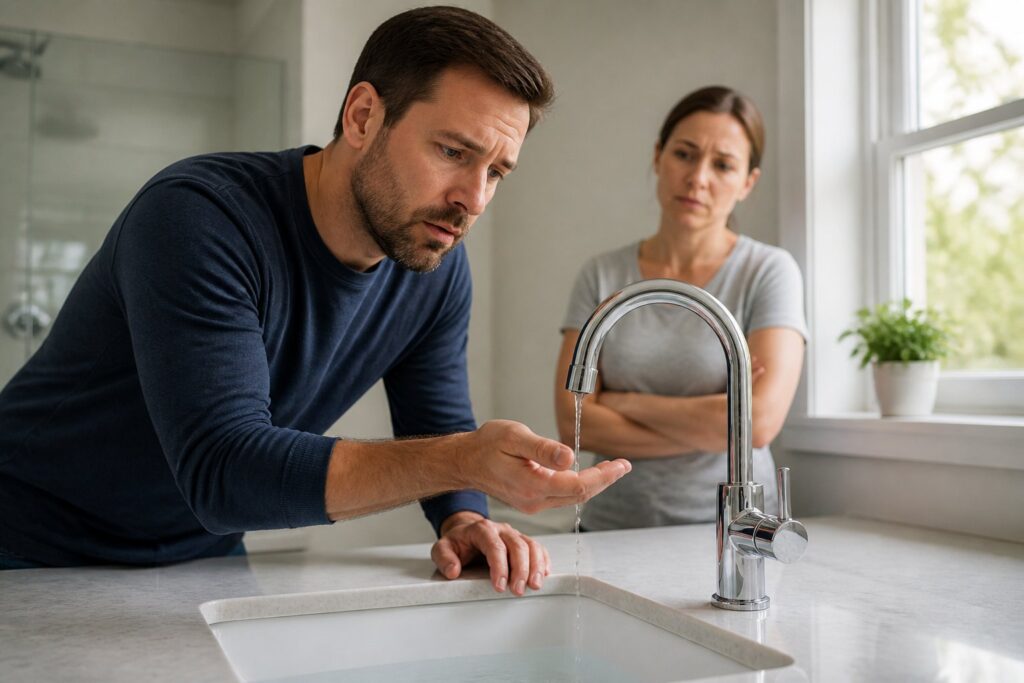
In the sections below, you will learn how to find where your pressure is dropping, what usually causes it, which checks are safe to do yourself, and when the problem needs a plumber.
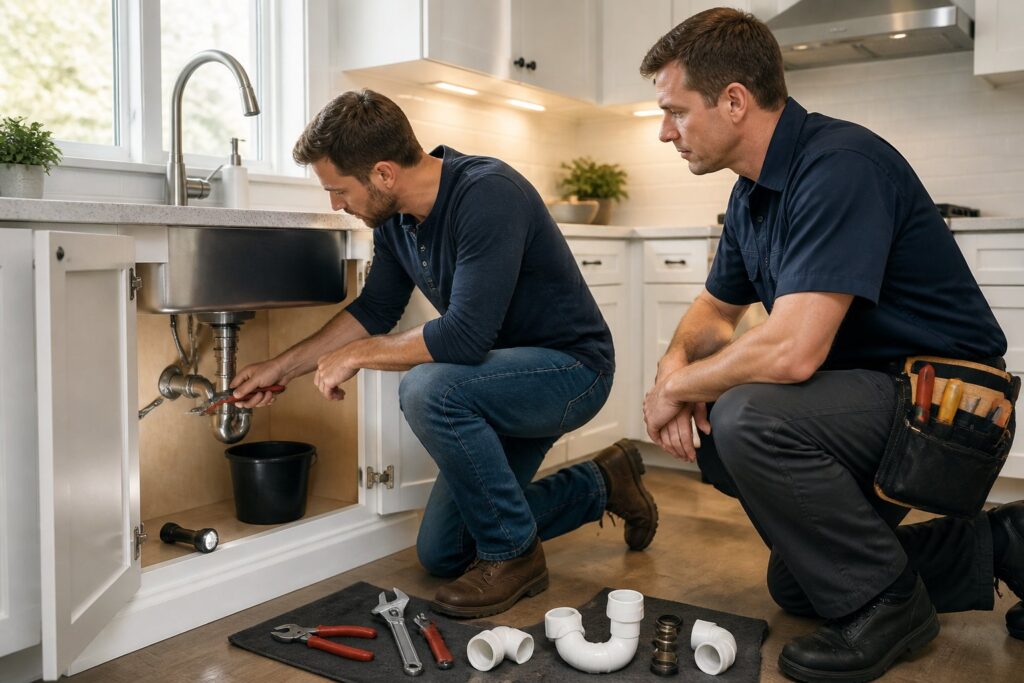
Here is how to trace a leak to its source, when a plunger will do the job, how to swap worn washers and O-rings, and the exact signs that mean you should stop and get a licensed plumber out to the house.
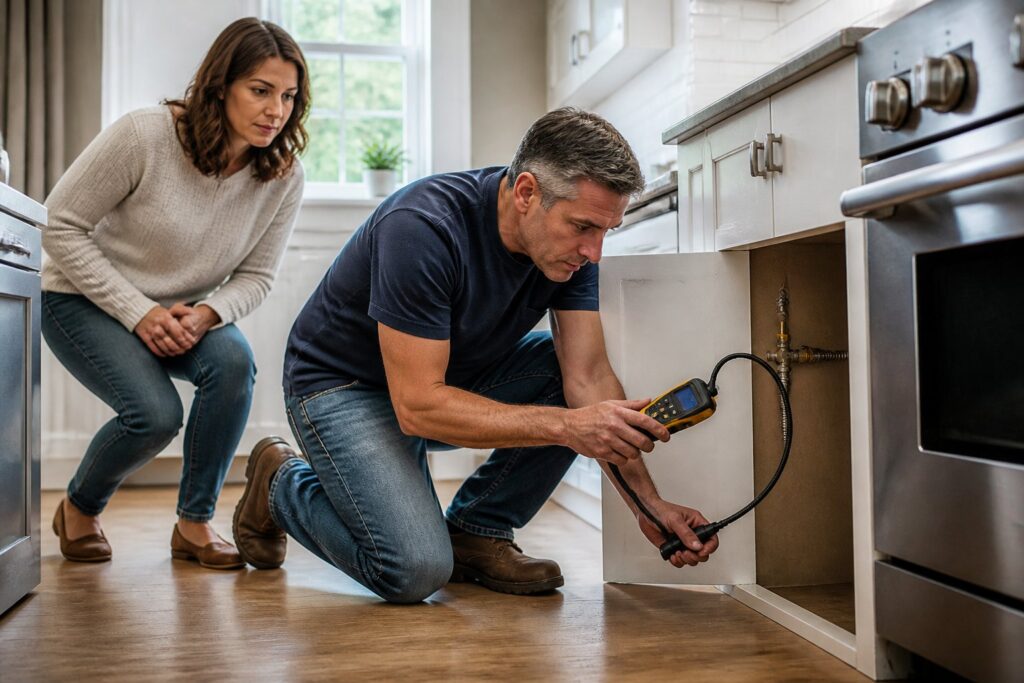
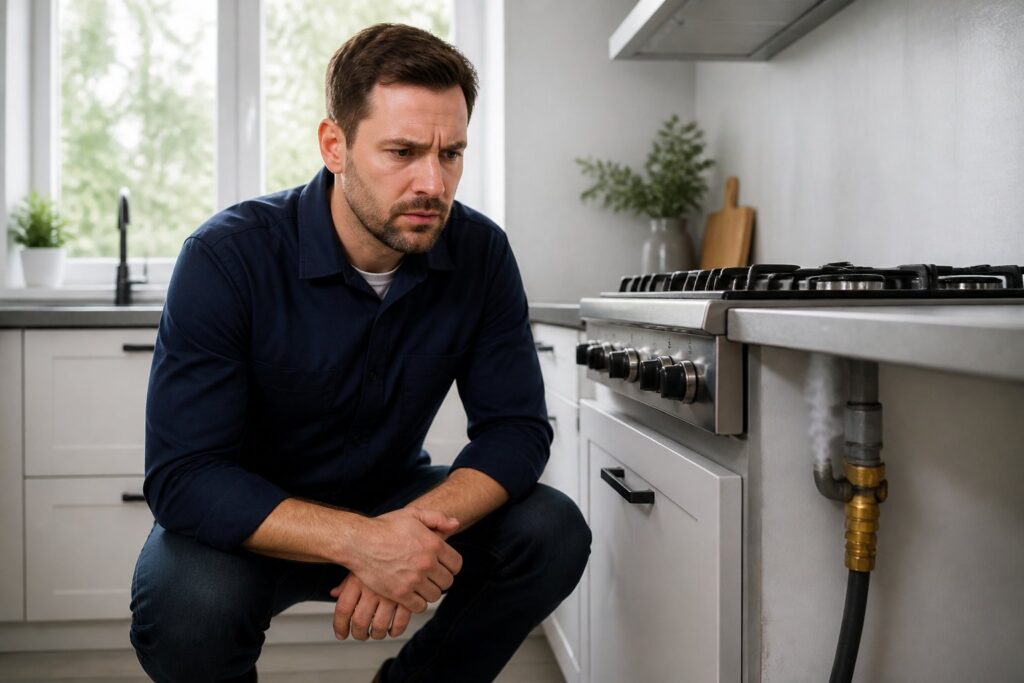
The rest of this page covers how to find a gas leak safely, what to look for with your nose, ears, and eyes, and which steps put you at risk.
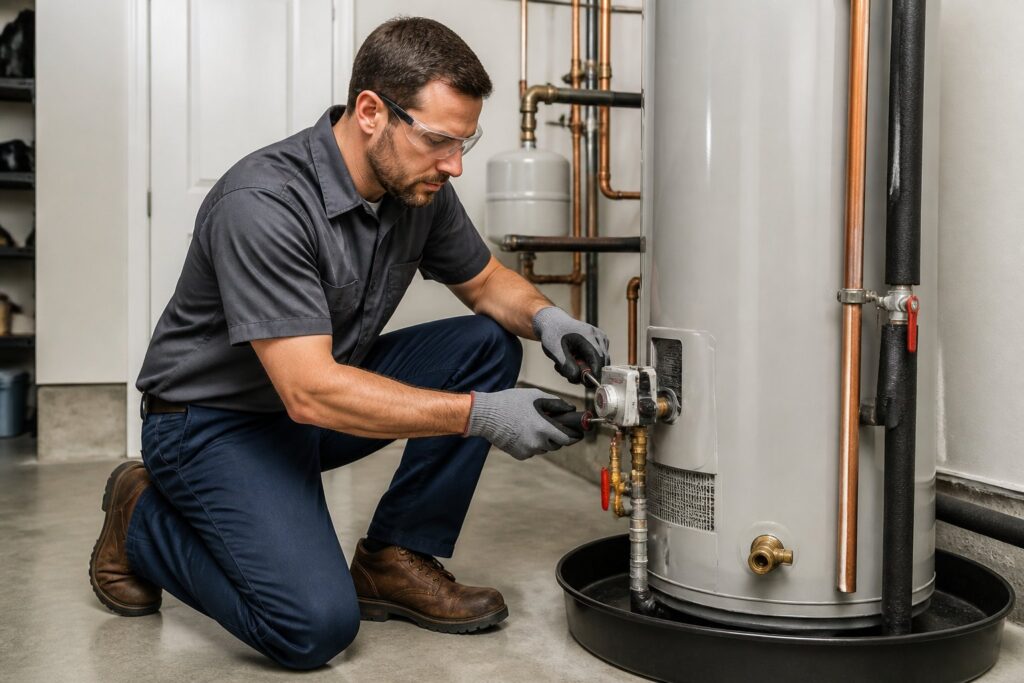
Below you will find the signs that point toward a repair, the ones that point toward replacement, what is likely causing your specific hot water problem, and when a failing heater turns into an emergency you should not sit on.
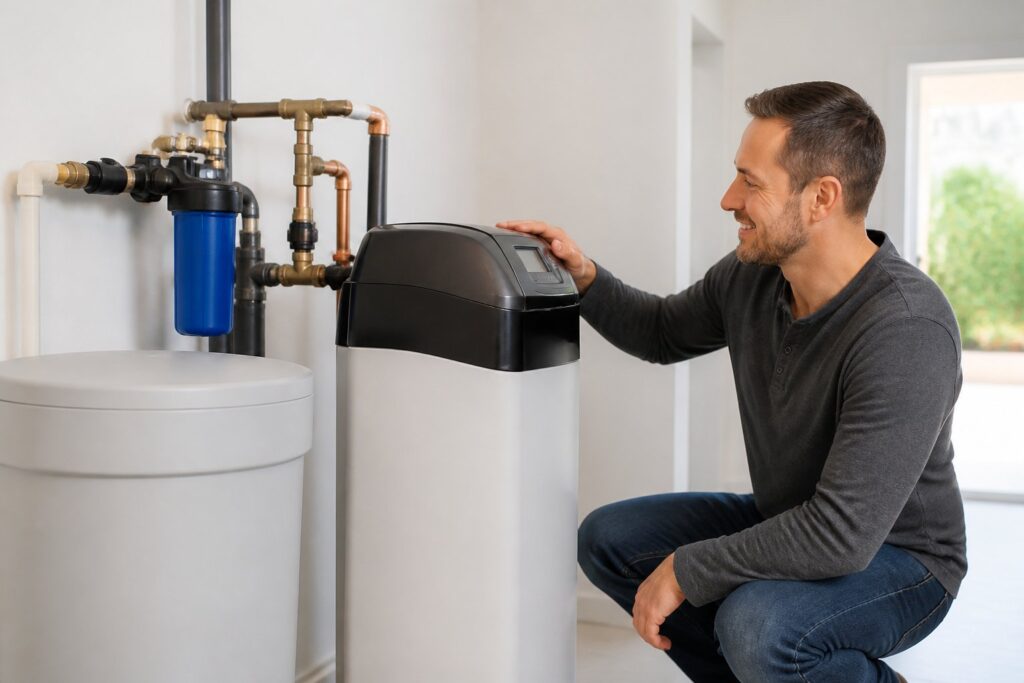
A hard water softener fixes the cause instead of the symptoms, and choosing the right one comes down to a few numbers you can check yourself.
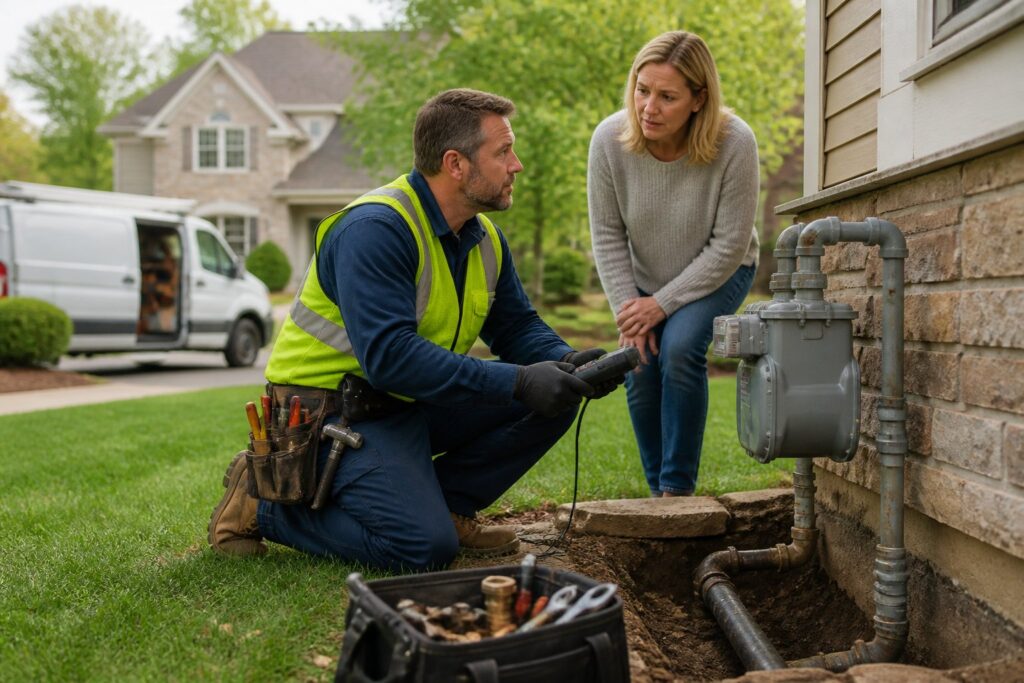
Up next: a plain breakdown of gas line repair cost ranges, the factors that push a price up or down, and how to tell a small fix from a full line replacement.
By the end, you will know exactly what to do in the first five minutes and who handles the repair after the property is cleared.
The way to pick the best whole house water filtration system is to start with what is in your water, then match the equipment to that problem.
This guide walks through why older homes carry more risk, which pipe materials break down first, and the warning signs you can spot without any special tools.
That decision comes down to a few clear signals, and you can read them yourself in about two minutes.